How to Clean Semi Precious Stones Right

Welcome to our store! Discover amazing deals and top products today.
A bracelet made from natural stone does more than finish an outfit. It carries weight, texture, and presence. When the surface starts to look dull or picks up skin oils, dust, or product buildup, knowing how to clean semi precious stones the right way helps protect both the look and the character of the piece.
Natural stones are not all built the same. Black onyx can handle more than howlite. Lapis lazuli needs a gentler touch than tiger eye. That matters because the wrong cleaning method can strip polish, weaken a setting, or leave the stone looking flat instead of sharp. Good care is not complicated, but it should be intentional.
How to clean semi precious stones without damaging them
The safest method is usually the simplest. Start with lukewarm water, a soft microfiber cloth, and a small amount of mild soap if needed. Dampen the cloth rather than soaking the jewelry outright, then wipe the stones carefully to lift oils and residue from the surface.
If the piece has tight spaces between beads or around metal accents, use a very soft brush with light pressure. A clean baby toothbrush works well as long as you treat the stone gently. Focus on buildup, not aggressive scrubbing. Once clean, wipe away any soap with a separate damp cloth and dry the jewelry fully before storing it.
For most men’s gemstone bracelets and necklaces, that is enough. You do not need harsh cleaners, abrasive cloths, or polishing compounds. In fact, those are often what cause the damage.
Why stone type changes the cleaning method
Semi-precious stones vary in hardness, porosity, and finish. That is why there is no one-size-fits-all routine. If you wear jewelry because the stone carries meaning - confidence from tiger eye, calm from howlite, focus from onyx - it makes sense to care for each material with the same level of respect.
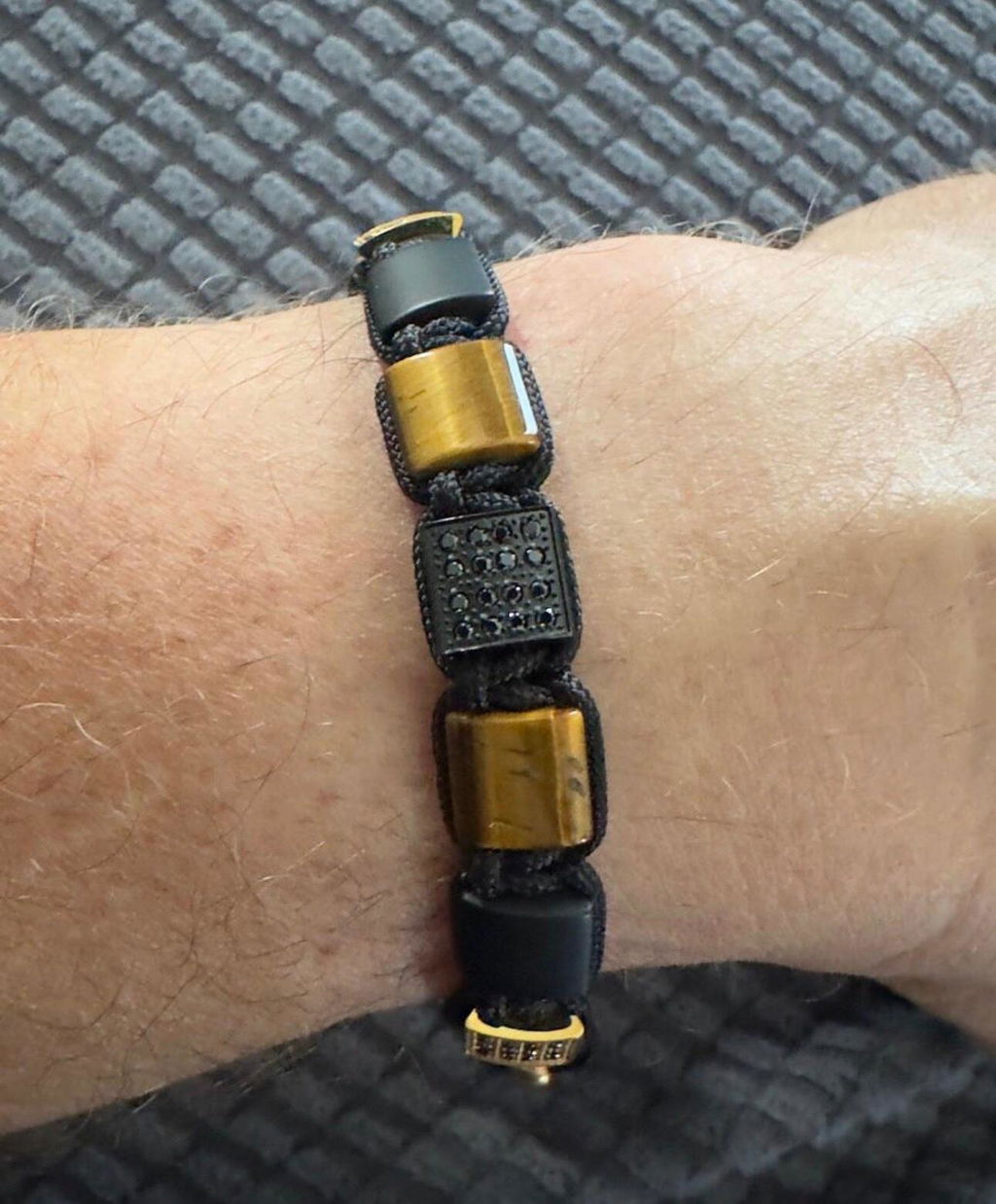
Black onyx
Black onyx is relatively durable and usually easy to maintain. A soft damp cloth is often enough to restore its deep, polished look. If it has picked up lotion, sweat, or cologne residue, mild soap can help. Just avoid soaking it for long periods, especially if the piece includes elastic cord or metal spacers.
Tiger eye
Tiger eye has a natural chatoyancy, that signature moving band of light that gives it depth. To keep that effect crisp, wipe it gently and dry it well. Film buildup is what makes tiger eye look tired. A clean microfiber cloth will usually bring back its bold finish.
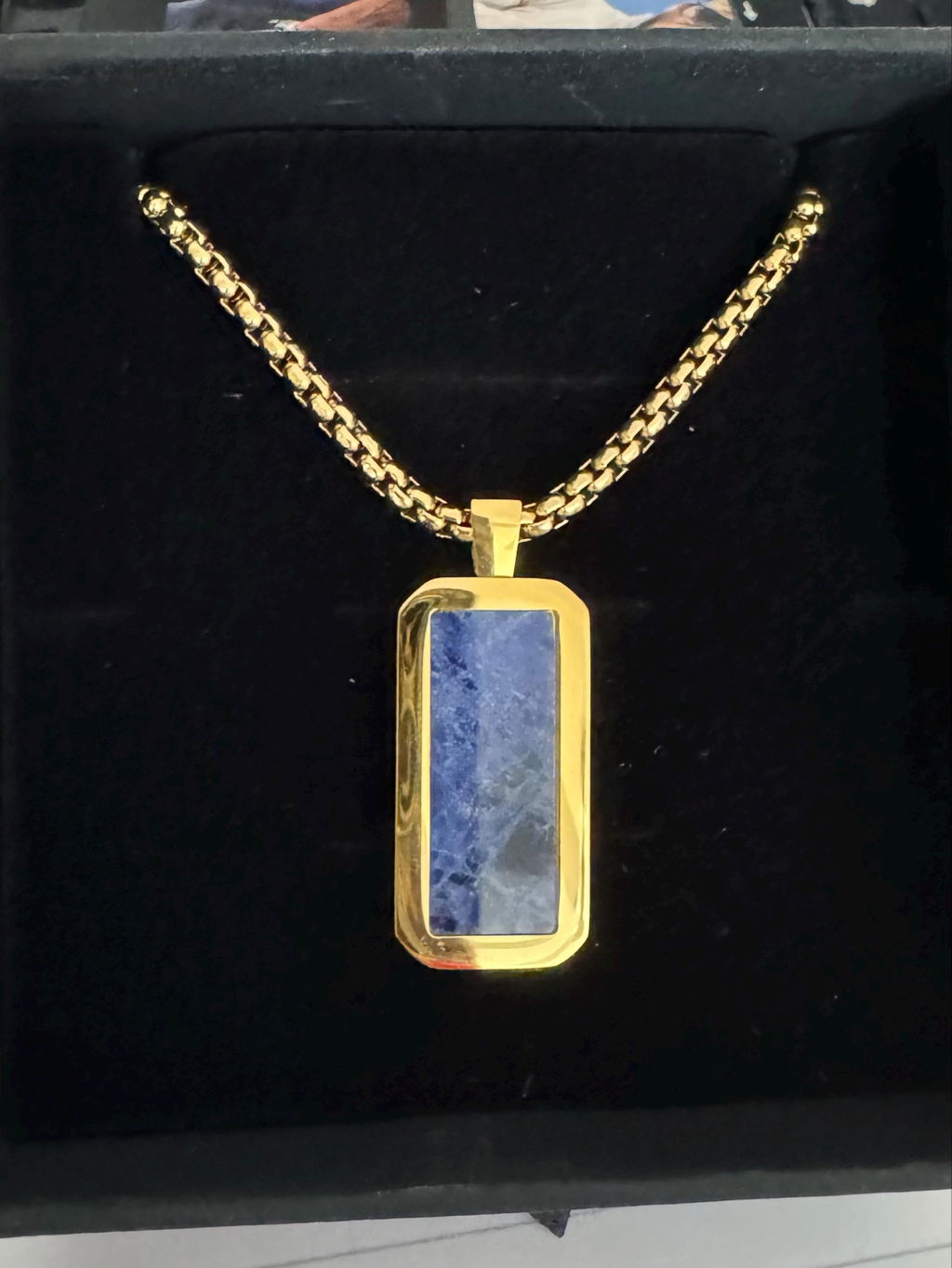
Lapis lazuli
Lapis deserves more caution. It is softer than many people realize and often contains calcite and pyrite, which react poorly to harsh treatment. Avoid long exposure to water, chemical cleaners, and any rough brushing. Use a barely damp cloth, wipe gently, and dry it immediately.
Howlite
Howlite is porous and can absorb liquids more easily than denser stones. That makes quick, light cleaning the better choice. If you saturate it or use dyed products nearby, the surface can discolor over time. Less is more here.
What to avoid when cleaning gemstone jewelry
A lot of damage happens because people try to make stone jewelry sparkle like metal. Semi-precious stones are not stainless steel, and they should not be treated that way.
Skip ultrasonic cleaners unless you know the exact stone and construction can handle it. Many natural stones, dyed stones, and handcrafted pieces should never go near one. Steam cleaning is also risky, especially for porous or treated materials.
You also want to avoid alcohol, bleach, vinegar, ammonia, and household cleaning sprays. They can dull polish, affect dyed stones, weaken adhesives, and dry out cords. Paper towels are another small but common mistake. They seem soft, but they can leave fine scratches over time, especially on polished surfaces.
If your bracelet or necklace includes elastic, leather, or tassels, the cleaning method needs to protect those parts too. Even if the stone itself can tolerate water, the rest of the piece may not.
How often should you clean semi precious stones?
It depends on how you wear them. If a bracelet is part of your daily rotation, it will pick up sweat, skin oils, sunscreen, and friction much faster than a piece you save for dinners or weekends. In that case, a quick wipe every few wears makes sense, with a more careful clean when you notice buildup.
If you wear gemstone jewelry occasionally, cleaning once in a while is usually enough. The bigger priority is proper storage. Dust, humidity, and contact with other accessories can age a piece even when you are not wearing it.
A good rule is simple: clean lightly and consistently instead of waiting until the jewelry looks noticeably worn. That approach is safer and keeps the finish looking strong.
Everyday habits that keep stones looking sharp
The best cleaning routine starts before anything gets dirty. Put your bracelet or necklace on after cologne, hair product, lotion, or sunscreen has fully dried. Those products leave a film that can mute the natural depth of the stone.
Take gemstone jewelry off before workouts, swimming, showering, or doing manual work. Sweat and impact both take a toll, and pool chemicals are especially rough on stones, cords, and metal details. If you wear your piece as part of your daily identity, that can be a trade-off. It may feel right to keep it on, but more exposure means more maintenance.
Storage matters too. Keep pieces separated in a soft pouch or lined box so harder materials do not rub against softer ones. That is especially helpful if you own multiple bracelets with different stones and metal finishes.
A careful step-by-step for bracelets and beaded pieces
For most handcrafted men’s stone jewelry, the safest routine is quick and controlled. First, lay the piece on a soft towel. Wipe it with a dry microfiber cloth to remove loose dust. If it still looks cloudy, dampen one corner of the cloth with lukewarm water and add a drop of mild soap.
Wipe each stone gently, turning the bracelet as you go. If dirt has collected near spacers or knotting, use a soft brush with almost no pressure. Then go back over the piece with a separate cloth dampened only with water to remove any soap residue.
The final step matters more than people think. Dry the piece fully with a soft cloth and let it air dry flat before storing it. If moisture gets trapped in the cord or around metal components, the jewelry can age faster even if the stones themselves look fine.
When professional care makes more sense
Some pieces need more than home cleaning. If a stone looks loose, the cord is stretched, the polish seems uneven, or the jewelry has sentimental or gift value you do not want to risk, professional care is the smarter move.
This is especially true for older pieces, dyed stones, or jewelry with mixed materials. A careful inspection can prevent a simple cleaning from turning into a repair problem. Premium accessories are meant to be worn, but they should also be preserved with the same intention they were designed with.
The balance between style and preservation
Natural stone jewelry is at its best when it looks lived in, but not neglected. A few signs of wear can add character. Heavy buildup, fading shine, or weakened construction do the opposite. The goal is not to make every bracelet look factory-new forever. It is to keep the material honest, strong, and ready to wear.
That is the real answer to how to clean semi precious stones. Use a light hand, respect the differences between materials, and do not confuse harsh cleaning with better care. Whether you wear onyx for strength, lapis for wisdom, or tiger eye for confidence, a little maintenance keeps the energy and the style in sync.
Treat the piece well, and it will keep showing up the way a great accessory should - quiet, confident, and unmistakably intentional.
Image Gallery
Inspirational Lifestyle Note
Fashion is not merely about what you wear; it is an unspoken declaration of your personal identity. A masterfully curated piece of color-block knitwear is the ultimate testament to a woman's confidence and modern aesthetic intelligence.
Current Top Sellers
Shop now and enjoy deals!
Current Top Sellers